
Mexico’s new digital ID system is now live. As of February 1, 2026, your old CURP is obsolete. Here is everything foreign residents need to know to comply.
For years, the CURP has been the cornerstone of identification for anyone living in Mexico. That system has now fundamentally changed.
If you’re an American, Canadian, or any foreigner building a life here, your familiar CURP is undergoing a mandatory, nationwide upgrade to a Biometric CURP. As of January 2026, registration is open nationwide, and as of February 1, 2026, the traditional CURP will no longer be accepted for official procedures.
This post provides the critical updates, steps, and legal insights foreign residents need to secure this new ID and maintain seamless access to banking, healthcare, property, and immigration services.
Table of Contents
This isn’t just a simple document renewal. It’s a fundamental shift in how Mexico manages identity, moving from a simple alphanumeric code to a secure, biometric-based system tied to your unique physical characteristics.
This guide will demystify everything for you: what it is, why it’s happening, and the crucial steps you need to take to stay compliant and secure your ability to work, access healthcare, and live smoothly in Mexico.
A New ID for Living in Mexico
Think of the traditional CURP as your social security number—a unique code. The new Biometric CURP transforms that code into a full-fledged, unforgeable identity card, linking your legal status to your unique physical characteristics. For expats, this change is critical for full integration into Mexico’s legal and administrative system.
Biometric CURP vs. Traditional CURP
So, what exactly is new? Let’s break down the evolution from the old system to the new one.
The Traditional CURP was a 18-character code based on your personal data: your name, birth date, and gender. It was a piece of paper or a digital PDF that, while essential, could be vulnerable to fraud or duplication. Its primary purpose was to be your key for administrative processes.
The Biometric CURP retains that same 18-character code but builds a fortress of security around it. The key difference is the incorporation of immutable physical data, making your identity virtually impossible to steal or replicate. The following table highlights the core differences:
Traditional CURP vs. Biometric CURP at a glance
| Feature | Traditional CURP | Biometric CURP |
|---|---|---|
| Core Format | 18-character alphanumeric code | 18-character code + embedded biometric data |
| Physical form | Basic printed document | Secure, plastic ID card (like a driver’s license) |
| Key identifiers | Name, Date of Birth, Gender | Name, DOB, Gender + Fingerprints, Iris Scan, Facial Photo |
| Security level | Low to Moderate; vulnerable to forgery | Very High; extremely difficult to falsify |
| Primary use | Administrative and government paperwork | Universal identification for public & private services |
💡 Wondering if you need a CURP? Take our test and find out.
Timeline & Urgency: Key 2026 Deadlines
- January 2026: Public rollout began. Modules are now active in Mexico City, Monterrey, Guadalajara, and Puebla, expanding nationwide.
- February 1, 2026: MANDATORY DEADLINE. The traditional CURP becomes invalid for official procedures (banking, notario público, immigration, etc.).
- The Law: The requirement is established in the Ley General de Población. While Article 91 Bis states registration is “by consent,” in practice, consent will be required to access all essential services, making it de facto mandatory for residents.
How to Get Your Biometric CURP: The 2026 Process
The process is in-person only and requires an appointment.
- Required Documents:
- Valid Passport.
- Current Mexican Residency Card (Temporal or Permanente).
- Your Traditional CURP.
- Proof of Address (no older than 3 months).
- Active Email Address.
- Locate a Module & Schedule:
- Find Official Modules: Use the government’s official module locator: https://embamex.sre.gob.mx/espana/images/regcivmx.pdf.
- Schedule an Appointment (CDMX): Use the official RENAPO portal: https://citas.renapo.gob.mx/citas/. For other states, check your local Registro Civil website.
- At Your Appointment:
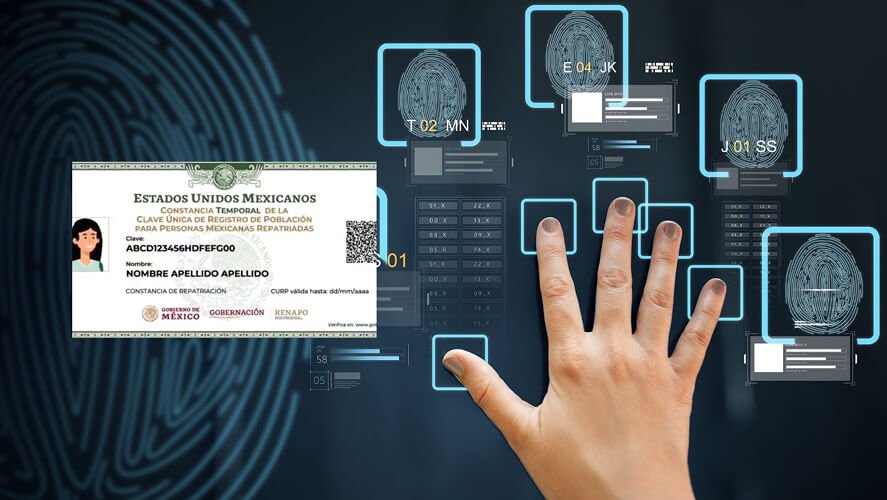
- Biometric Capture: A technician will scan all ten fingerprints, take a facial photograph, and perform an iris scan.
- Data Entry: Your documents are verified and your digital signature is captured.
- Issuance: You will receive your new plastic Biometric CURP card. The process takes 20-30 minutes.
Why This Matters for Foreign Residents & Investors
This isn’t just an ID update. It’s a legal compliance issue that affects your entire life in Mexico. This move towards verified digital identity is part of a broader trend, which also includes the mandatory 2026 cell phone registry.
- For Immigration: Your residency status is linked to your CURP. Future renewals will require the Biometric CURP.
- For Property Owners: Notarios and property registries will require the new, valid ID for all transactions.
- For Business Owners: You must ensure all foreign employees complete this process to maintain their legal work status.
Having a bilingual expert from Lorad International by your side can make this process even smoother, helping with communication and ensuring everything proceeds without a hitch.
The Biometric data collected
The term “biometric” can sound intimidating, but it simply refers to the unique physical characteristics that are exclusive to you. For the new CURP, the Mexican government will collect four primary pieces of biometric data to create a holistic and secure identity profile.
The Four New Security Features
- Facial Photograph: A high-resolution digital photo will be taken for facial recognition.
- Fingerprints: You will have the fingerprints of both hands scanned and digitized.
- Iris Scan: The unique patterns in your irises will be captured. This is one of the most accurate biometric identifiers.
- Electronic Signature: Your signature will be captured digitally to be used for official electronic documents.
This combination ensures that the person holding the Biometric CURP is indisputably the person to whom it was issued.
Why Mexico is introducing this change
This nationwide overhaul isn’t happening in a vacuum. It’s a deliberate, legally-mandated move to solve two major challenges facing the country.
Enhanced security and fraud prevention
Identity theft and document forgery have been significant issues. By linking your identity to your biometrics, the government can drastically reduce fraud in everything from applying for social programs to opening bank accounts. For expats, this means greater protection against someone else using your identity to secure loans, rent property, or commit crimes in your name.
A tool for finding missing persons
Tragically, Mexico has a crisis of missing persons. The new Biometric CURP system, as part of the Ley General en Materia de Desaparición Forzada, creates a powerful national registry. The highly accurate biometric data can be used by authorities to quickly and reliably identify individuals, a crucial tool in locating missing persons and bringing closure to families.
Frequently asked questions about Biometric CURP in Mexico for expats
Is a biometric CURP mandatory for Americans?
Yes. Any foreigner with legal residency in Mexico—whether temporary or permanent—is required to obtain the Biometric CURP. This includes Americans, Canadians, and all other nationalities.
Are children required to have a CURP?
Yes. The requirement applies to all residents, regardless of age. A specific program for registering children is scheduled to begin 120 days after the decree’s enactment.
How is my biometric data protected?
The law mandates that the data be stored in a highly secure national database managed by RENAPO, with protections aligned with Mexico’s data privacy laws (Ley de Protección de Datos Personales). However, the security and integrity of any centralized database are always a consideration.
Is my old CURP card now invalid?
It will be. As of the mandatory deadline in February 2026, the traditional paper CURP will no longer be accepted for official trámites. It is crucial to upgrade before this date.
How does the Biometric CURP affect my residency visa application or renewal?
Your immigration status (residency card) and your CURP are directly linked. While the CURP itself doesn’t grant residency, it is a foundational ID used throughout the process. When renewing your visa after the mandatory date, you will almost certainly be required to present your new Biometric CURP. Starting the process early ensures your immigration paperwork remains seamless and uninterrupted.
I’m in the process of buying property. Should I wait to get the Biometric CURP first?
It is highly recommended to get your Biometric CURP as soon as it is available to you. Notarios Públicos and property registries will require the most current and valid identification. Completing a major transaction like a property purchase with an outdated CURP could cause significant delays or complications, especially as the 2026 deadline approaches.
Does this new requirement apply to my foreign employees that I sponsor for work visas?
Yes, it applies to all foreign residents, including your employees. As their sponsor, it is in your company’s best interest to inform them of this new legal obligation and facilitate the process if possible. Ensuring their compliance helps maintain their legal status and, by extension, protects your company from any legal or bureaucratic issues related to their employment.
Contact our bilingual lawyers in Mexico today
Our bilingual Mexican lawyers are waiting for your call, please use our contact form below.